Shrovetide Memorial: The Stonyhurst College 1930 production of Journey’s End


Archival research into an unknown and pathbreaking 1930 Stonyhurst theatrical production: Journey’s End, the anti-war, trenches-set play, under the direction of a war-time Jesuit chaplain, and featuring boys who would then wind up in the actual trenches during WWII. (And a number of future-notables in proximity or acting, including Peter Glenville). The production is contextualised in respect to a spate of memorial-building and first-time coming-to-terms with the costs and trauma of the Great War, and an anticipating of the liturgical reforms of Vatican II: exiting the church building to relocate meditation / prayer in more familiar places and vernaculars. Religion is seen to have played a debated role: on the one hand, operationalised for conscripting those who would die young, on the other as the salving of family trauma and the dying hours of those wounded.
Article is open access, published in the Downside Review, via https://journals.sagepub.com/doi/10.1177/00125806251322101
or PDF here: Shrovetide published PDF
“This is Father Berrigan Speaking from the Underground”:
Daniel Berrigan SJ and the Conception of a Radical Theatre

Article on the late Jesuit and poet’s writing further to his theatre play about his trial, occasioned by his activism with the Catonsville 9. I argue that Berrigan aspired to a vastly different theatre to the type that typified this moment – he was especially down on The Living Theatre – in order to spread the anti-war message, channelling the crisis-inducing voices of those unable to speak. And this was in the context of a profound theological upheaval that arose between America’s rapacious foreign policy and the growing social sensibilities of Roman Catholics. Berrigan was writing about his conception of theatre while on the run from the FBI, during which time he also offered himself as chaplain to the Weather Underground.
This article was accepted and edited by the legendary Richard Schechner, one of the founders of Performance Studies, and was published in the seminal journal TDR: The Drama Review, 62:1, in Summer 2018: https://direct.mit.edu/dram/article/62/2%20(238)/97/8957/This-Is-Father-Berrigan-Speaking-from-the?searchresult=1
PDF of the article (now open access): Berrigan article open access
“My Carnaby Cassock”: Jimmy Savile, Jim’ll Fix It and Top of the Pops
Extensive consideration of Savile’s central position in children’s / teen’s TV, and his “halo effect” construction of a sense of moral goodness (in tandem with his charity work, and alignment to “moral” causes, such as Mary Whitehouse’s), concluding that Savile was a semi-renegade operative of the coming neoliberal state.
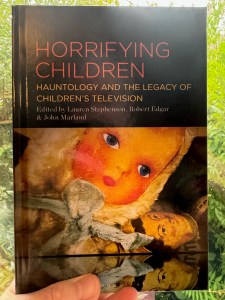
Published in https://www.bloomsbury.com/uk/horrifying-children-9781501390562/
“As if from the sky”: Divine and Secular Dramaturgies of Noise

The Sacred and Profane
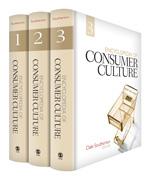
Encyclopedia details: https://uk.sagepub.com/en-gb/afr/encyclopedia-of-consumer-culture/book235518
 benjaminhalligan.com